Table of content:
Magic truffles are often mentioned alongside magic mushrooms, psychedelics, or Amsterdam culture. Still, many people are not entirely sure what magic truffles actually are, how they differ from mushrooms, or why they are treated differently under the law.
That confusion is understandable. The terminology overlaps, the history is complex, and online information is often fragmented. This article aims to clear that up — in a calm, factual and responsible way, with a specific focus on the Netherlands and Europe.
What Are Magic Truffles?
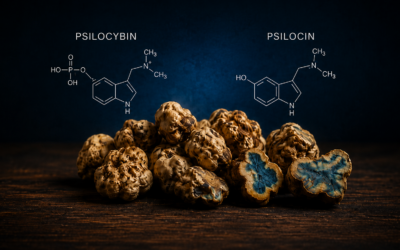
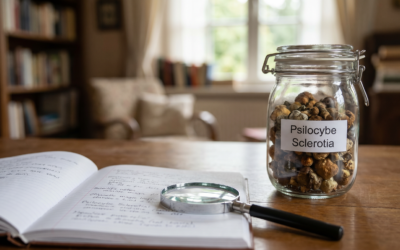
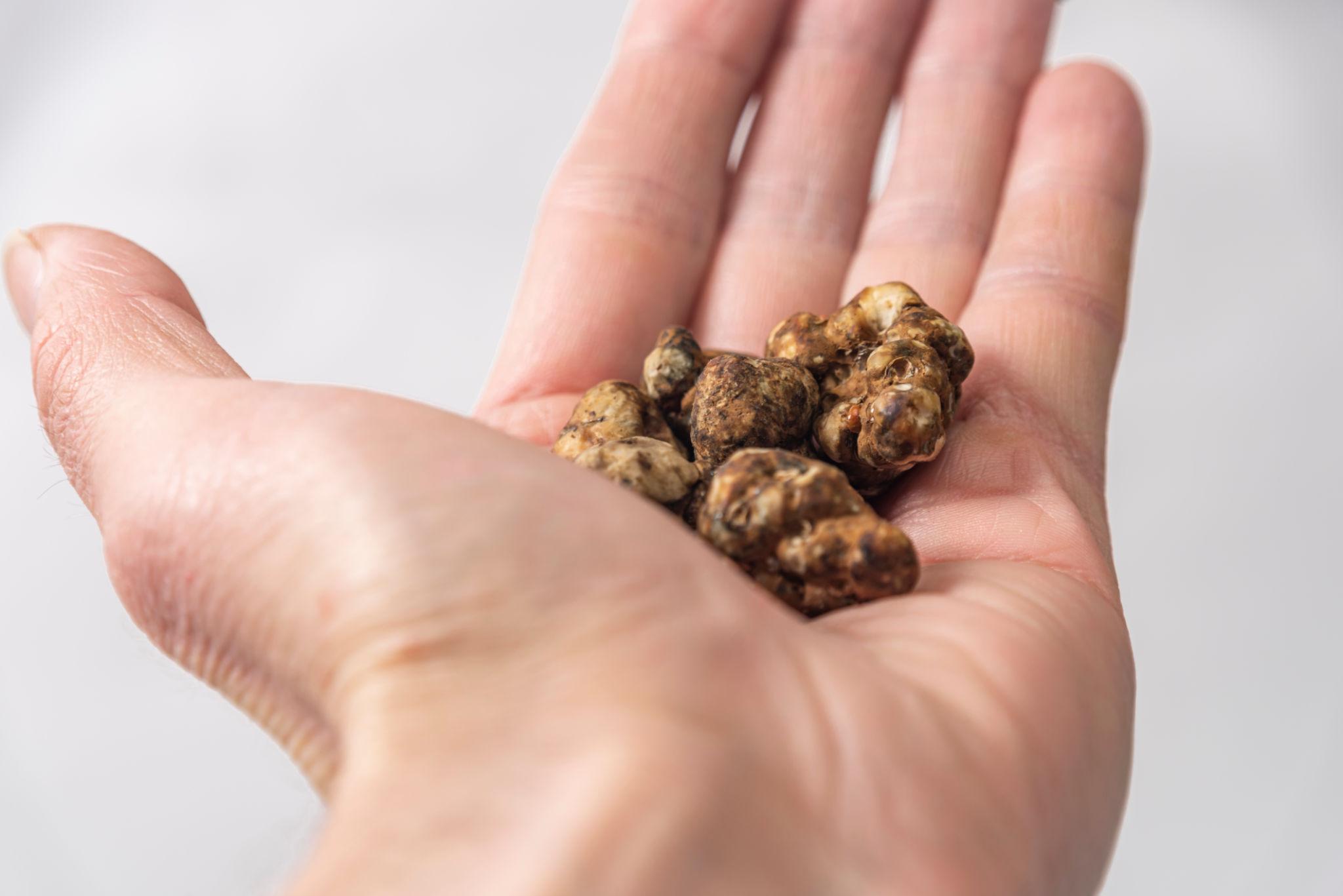
Magic truffles are naturally occurring formations produced by certain types of fungi. Instead of growing above ground like mushrooms, they develop underground. In biological terms, these formations are called sclerotia.
Sclerotia act as a kind of storage system for the fungus. They help it survive difficult conditions by storing nutrients. In some species, these truffles contain naturally occurring psychedelic compounds. That is why they are commonly referred to as magic truffles or psychedelic truffles.
Although they are related to mushrooms, magic truffles are not mushrooms. This distinction may seem small at first, but it turns out to be important — especially when it comes to how they are viewed legally.
Magic Truffles and Magic Mushrooms: What’s the Difference?
Magic truffles and magic mushrooms come from the same families of fungi, but they are different parts of the organism.
Magic mushrooms are the fruiting bodies that grow above ground. Magic truffles form below the surface and serve a different biological purpose. Because of this, they are classified differently in certain legal frameworks.
In practice, many people use the terms interchangeably. Someone searching for magic mushrooms may actually be looking for information about magic truffles, particularly in a European context. This overlap in language is one of the main reasons the topic can feel confusing.
The difference matters, though. Especially in the Netherlands.
Many people confuse magic truffles with magic mushrooms. If you are unsure about the differences, we explain them in detail in our comparison guide.

Why Are Magic Truffles Legal in the Netherlands?
One of the most frequently asked questions is why magic truffles are legal in the Netherlands, while magic mushrooms are not. The short explanation is simple: Dutch law explicitly banned mushrooms, but not truffles.
In 2008, legislation was introduced that prohibited the sale of magic mushrooms. At the time, magic truffles were not included in that ban. They are biologically distinct and were not specifically listed in the law.
As a result:
-
The sale of magic mushrooms became illegal
-
Magic truffles remained legal under Dutch law
-
Truffles gradually replaced mushrooms in public awareness
Within the European Union, the legal context is influenced by broader EU principles. One of these is the principle of mutual recognition, which generally means that goods lawfully marketed in one EU Member State are not automatically prohibited in another. This situation is specific to the Netherlands. Laws in other European countries can differ significantly, which is why it is always important to consider local regulations rather than making assumptions.
Psychedelic Mushrooms, Psychedelic Truffles and Terminology
Online, you will often see terms such as:
-
magic mushrooms
-
psychedelic mushrooms
-
magic truffles
-
psychedelic truffles
From a broader perspective, psychedelic mushrooms is a general term used to describe fungi that contain psychedelic compounds. Magic truffles fall within that wider category, but they are not mushrooms themselves.
This overlap in terminology explains why search results can feel inconsistent and why legal information sometimes appears contradictory. Understanding the language helps make sense of how the topic is discussed across different countries and cultures.
Magic Truffles and Amsterdam
Magic truffles are frequently associated with Amsterdam, largely because of the city’s international reputation and long-standing tourism culture.
At the same time, there are some common misconceptions. Magic truffles are not sold in coffee shops, which are associated with cannabis rather than truffles. They exist within a different legal and cultural framework altogether.
Many visitors arrive with outdated expectations based on past information about magic mushrooms. That historical context still shapes how the subject is perceived today.
What to Expect From Magic Truffles
Experiences involving magic truffles are often described very differently from person to person. That is not unusual. Factors such as mindset, environment, preparation and personal sensitivity all play a role.
Rather than focusing on specific effects, it is more helpful to understand truffles as part of a broader psychedelic tradition, where context matters as much as the substance itself. This is also why expectations can vary so widely.
Understanding dosage plays a crucial role in how intense the experience feels. You can read our full magic truffle dosage guide here.
Responsible and Informed Use
This article is intended purely for educational purposes.
A responsible approach starts with being informed. That includes understanding local laws, recognising personal boundaries, and avoiding assumptions based on other substances or past experiences. It also means accepting that outcomes are never identical for everyone. If you’re considering trying them yourself, make sure you understand proper preparation on How to Use Magic Truffles Responsibly.
Treating the topic with care and respect helps reduce misunderstanding and unnecessary risk.

Frequently Asked Questions About Magic Truffles
Are magic truffles the same as magic mushrooms?
No. They come from similar fungi, but they are biologically different.
Are these truffles legal in Europe?
Legality varies by country. While they are legal in the Netherlands, this does not automatically apply elsewhere.
Why are they sometimes called psychedelic truffles?
Because they contain naturally occurring psychedelic compounds and are discussed within a broader psychedelic context.
Do truffles affect everyone in the same way?
No. Individual experiences can differ significantly.
Final Thoughts
Magic truffles occupy a unique place where biology, law and culture intersect. Much of the confusion surrounding them comes from overlapping terminology and historical changes in legislation.
By understanding what magic truffles are, how they differ from magic mushrooms, and why they are treated differently under Dutch law, the subject becomes far clearer. This page serves as a central, neutral reference point for anyone looking to understand magic truffles within a European context.
If you’re planning your first experience, also read:
• Magic Truffle Dosage Guide
• How Long Do Magic Truffles Last?
• Magic Mushrooms vs Magic Truffles