Magic truffles occupy a strange and fascinating corner of the psychedelic world. They contain the same active compounds as magic mushrooms — psilocybin and psilocin — but exist as a different biological structure entirely, and that difference has shaped European drug policy, fueled an entire smartshop industry, and given rise to one of the most unusual legal markets in the world. They are legal in the Netherlands but illegal almost everywhere else. They've been used in clinical research, retreats, and microdosing protocols. And despite being talked about everywhere, most online explanations remain frustratingly shallow.
This guide is the deep one. We'll cover what magic truffles actually are at a biological level, the strange Dutch Supreme Court ruling that kept them legal when magic mushrooms were banned in 2008, the chemistry of how they work in the body, the major varieties available and what each is good for, dosing, effects, storage, and the practical realities of buying them in 2026. By the end, you'll understand magic truffles more deeply than 99% of the people selling them.
Table of Contents
1. What Are Magic Truffles, Really?
2. Magic Truffles vs Magic Mushrooms: Same Compound, Different Body
3. The Dutch Story: Why Truffles Are Legal and Mushrooms Aren't
4. The Chemistry: How Magic Truffles Work in the Brain
5. The Major Varieties of Magic Truffles
6. Effects: What to Expect from a Truffle Experience
7. Dosage: Finding the Right Amount
9. Set and Setting: The Forgotten Variables
11. Legal Status Across Europe
12. Microdosing with Magic Truffles
1. What Are Magic Truffles, Really?
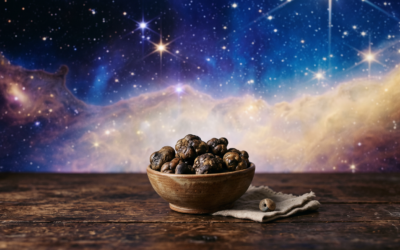
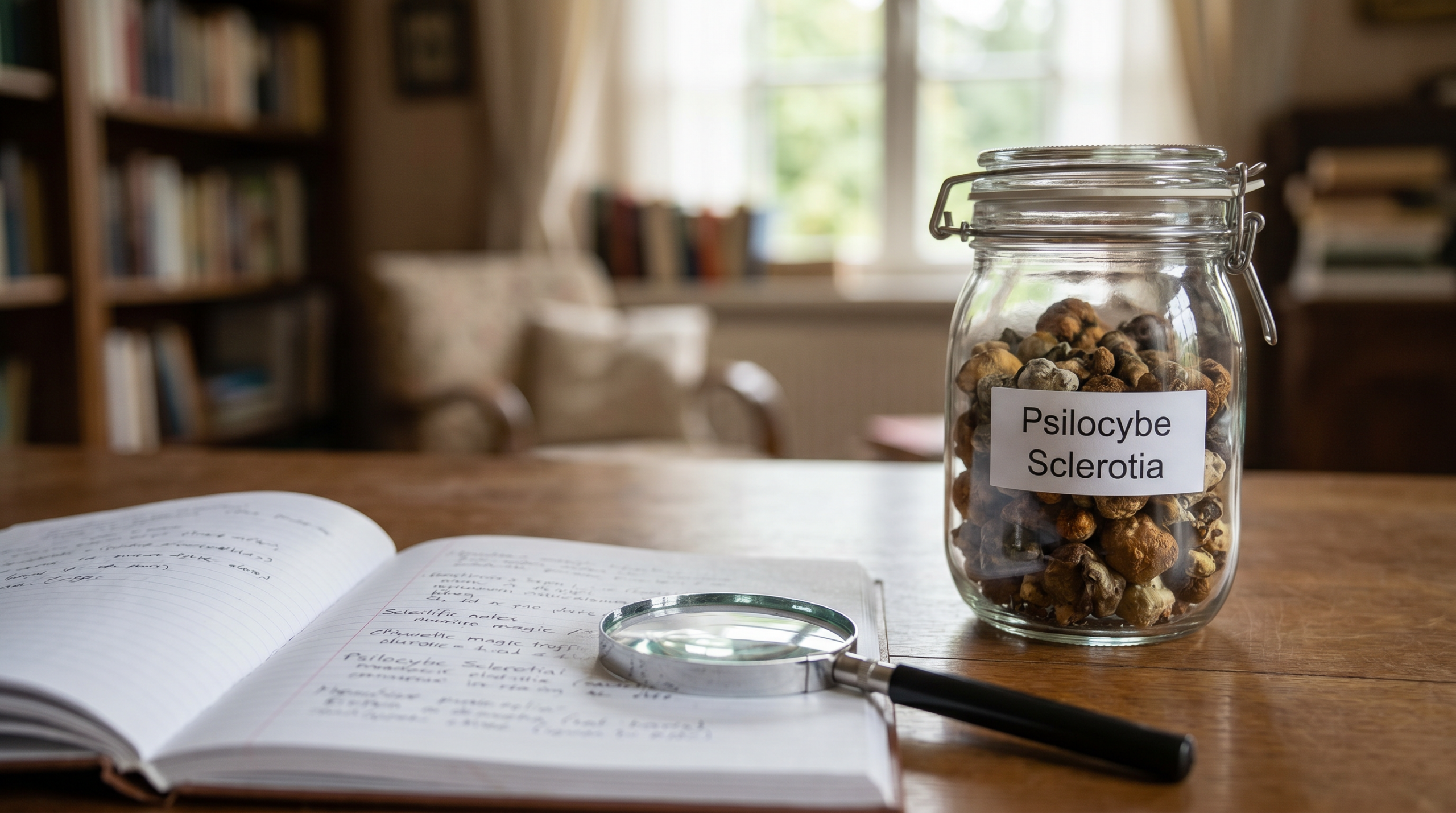
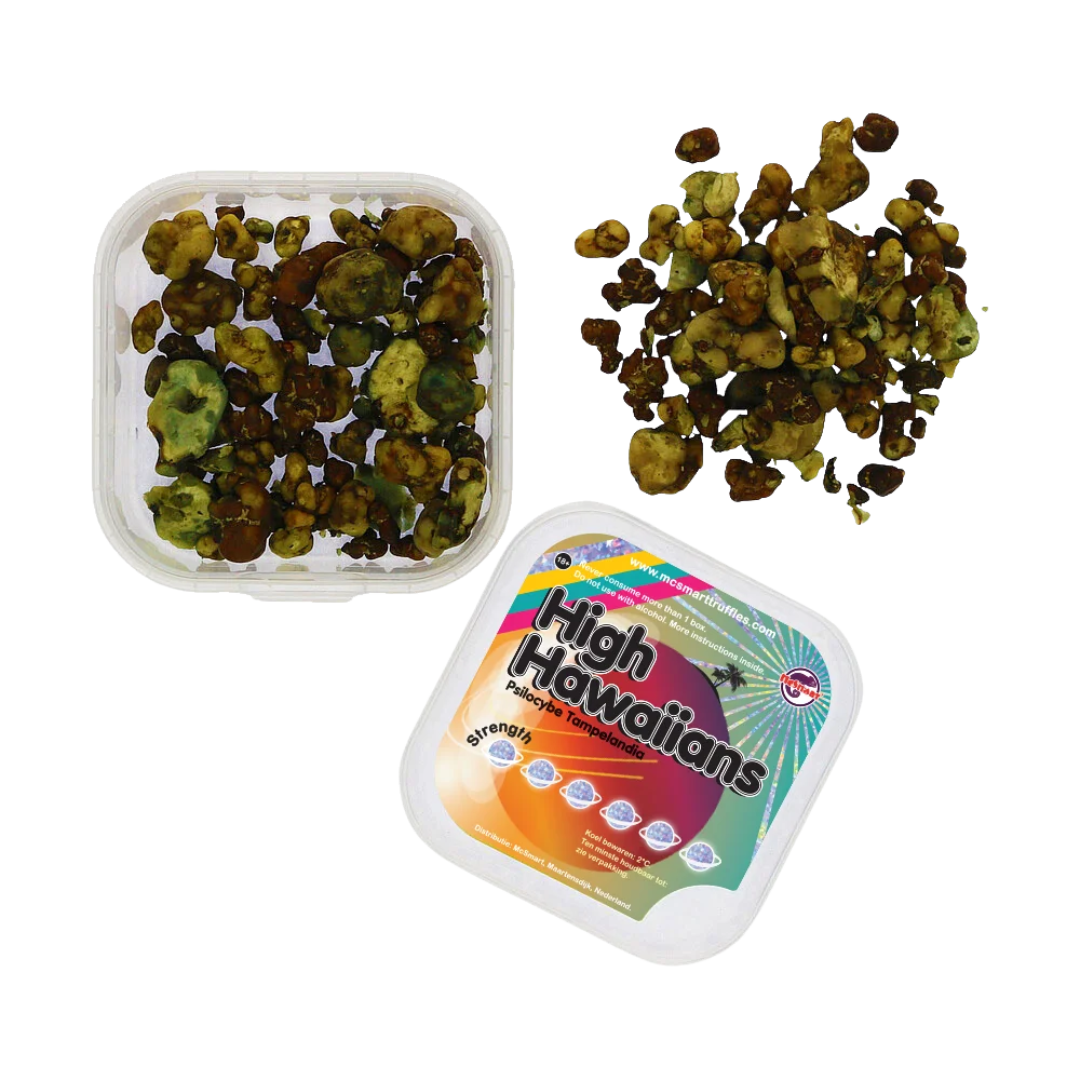
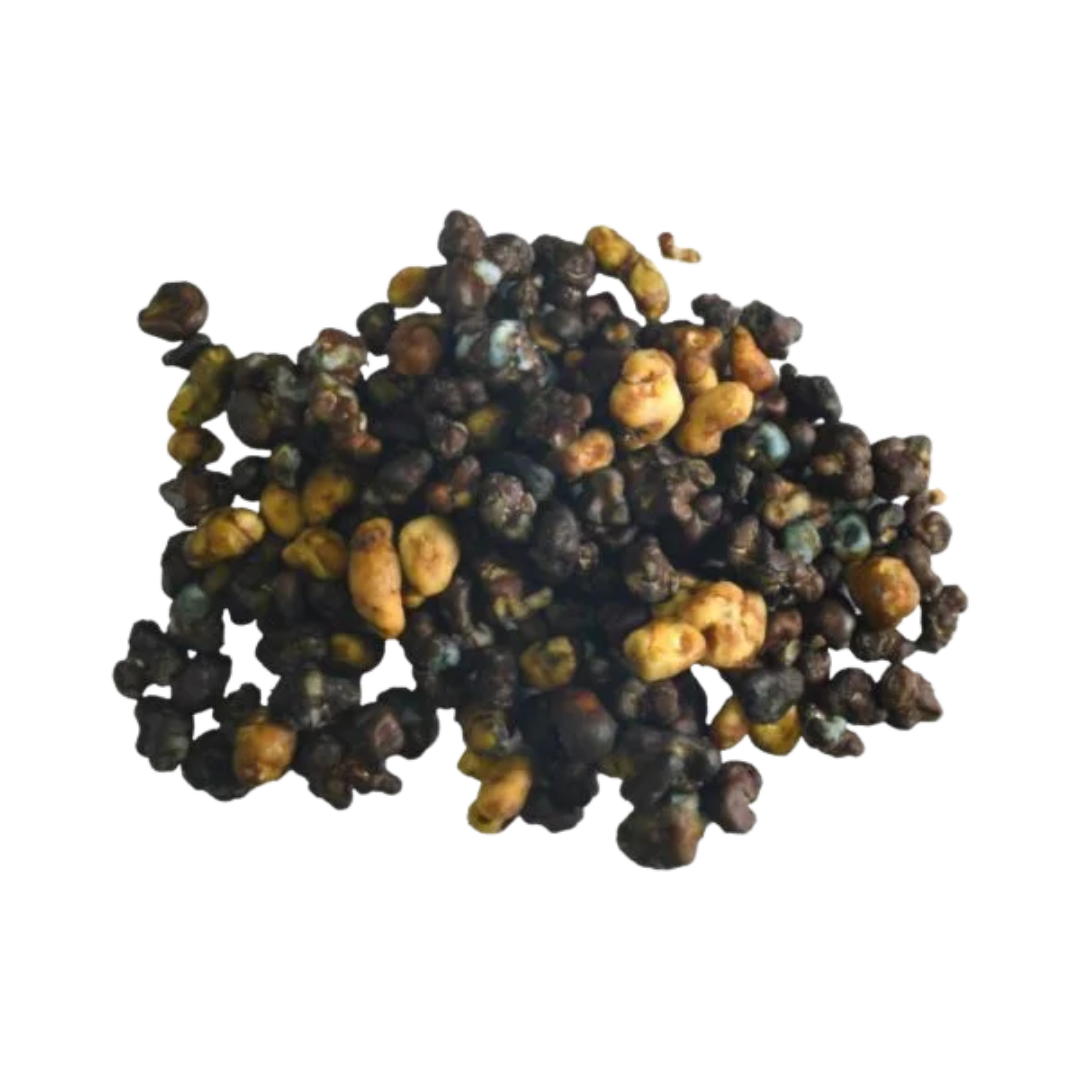
Magic truffles are not mushrooms. They are not roots. They are not even what most people would recognize as truffles in the culinary sense. Botanically, they are sclerotia — hardened, compact masses of mycelial tissue that certain psilocybin-containing fungi produce underground when growing conditions become unfavorable for fruiting.
To understand the distinction, it helps to picture the full life of a fungus. Most psilocybin-producing fungi exist underground as mycelium — a solid, branching network of microscopic threads — that absorbs nutrients from its substrate. Under the right conditions, this mycelium produces fruiting bodies above ground that we recognize as mushrooms. Those fruiting bodies disperse spores so the fungus can spread.
But under stress — drought, cold, depleted substrate — a few specific species don't fruit. Instead, they consolidate their resources into a sclerotium: a dense, potato-like lump of stored energy that sits underground waiting for better conditions. When environmental conditions improve, the sclerotium can either germinate into new mycelium or, given the right triggers, push up a fruiting body.
The mycologist Paul Stamets has called sclerotia “the fungal equivalent of a potato” — a perfectly accurate description. They serve the same survival function: a nutrient reserve that can outlast hard times.
The single most important thing to know
Magic truffles are biologically a different growth form of the same fungus that produces magic mushrooms. They contain the same active compounds (psilocybin and psilocin) and produce a substantially similar experience. Their legal and cultural status, however, is completely different from mushrooms — and that difference is what created the entire modern magic truffle market.
If you'd like to compare truffles to their above-ground cousins in more depth, see ours complete guide to magic mushrooms using Golden Teacher as the reference strain.
2. Magic Truffles vs Magic Mushrooms: Same Compound, Different Body
Both magic truffles and magic mushrooms come from the same genus of fungi — Psilocybe — and they contain the same active compounds: psilocybin and psilocin. The experience they produce is truly comparable. So why are they treated as different products entirely?
Biological differences
- Truffles (sclerotia): Grow underground. Dense, compact, brownish, irregular in shape. Function as nutrient storage. Contain approximately 65 – 70% water.
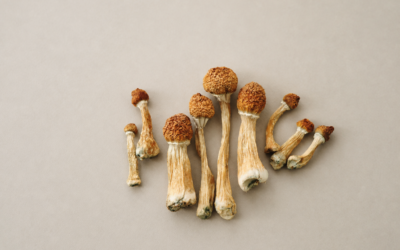
- Mushrooms (fruiting bodies): Grow above ground. Recognizable cap-and-stem structure. Function as reproductive organs to spread spores. Contain roughly 90% water.
Practical differences
- Potency by weight: Truffles contain roughly 0.31% to 0.68% psilocybin by dry weight, depending on the variety. Mushrooms typically range from 0.5% to 1.5% in dried form. Fresh-to-fresh, the gap is narrower because truffles retain more dry matter per gram.
- Shelf life: Properly stored fresh truffles last several months in their original packaging. Fresh mushrooms last only days. Both can be dried for longer storage, though Dutch law specifically considers dried truffles a processed product and treats them differently than fresh ones.
- Onset and duration: Largely similar. Onset around 30–60 minutes, peak around 2 hours, total duration 4–6 hours. Truffles are sometimes described as having a slightly slower, smoother build than mushrooms.
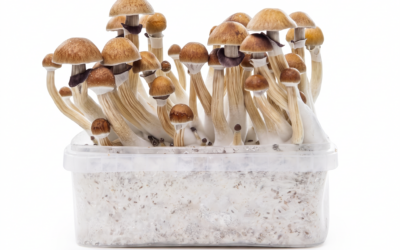
- Cultivation: Truffles grow inside sealed containers without needing fruiting chambers, light or careful humidity control. Mushrooms require all of these. Truffles are actually easier to grow at scale.
Experiential differences
Many regular users report subtle differences in the character of the experience, though these are anecdotal rather than chemically established. Truffles are often described as producing a slightly more grounded, body-aware experience compared to mushrooms, which some users say feel slightly more visual. Whether this is a real chemical effect, a difference in dosing accuracy, or just expectation, is really hard to say.
For a deep dive on which form might suit you better, ours magic mushrooms vs magic truffles comparison goes into more practical detail.
3. The Dutch Story: Why Truffles Are Legal and Mushrooms Aren't
The legal status of magic truffles in the Netherlands is the result of a specific sequence of events most articles get partly wrong. The full story is really interesting and worth telling properly.
Pre-2008: The smartshop era
From 1993 onwards, magic mushrooms were legally sold in Dutch smartshops as “fresh material” — a loophole in how psilocybin was classified under the Opium Act. Psilocybin itself was technically a controlled substance under both Dutch law and the 1971 UN Convention on Psychotropic Substances. But fresh mushrooms, containing psilocybin in its naturally occurring form within an unprocessed plant, were treated as exempt. For fifteen years, this worked. Smartshops became part of Amsterdam's identity.
March 2007: The incident that changed everything
In March 2007, a 17-year-old French tourist died after jumping from a bridge in Amsterdam while under the influence of magic mushrooms. The case received enormous media attention. The Dutch Minister of Public Health, Ab Klink, requested an expert assessment from the Coordination Center for the Assessment and Monitoring of New Drugs (CAM), part of the National Institute for Public Health and the Environment.
The CAM report concluded that magic mushrooms sold in smart shops posed no direct danger to public health. A follow-up study reached the same conclusion. Both reports were essentially ignored. Political pressure to act was overwhelming.
December 2008: The ban
In December 2008, the Dutch government added 188 species of psilocybin-containing mushroom — including the entire Psilocybe genus — to List II of the Opium Act. From that point on, it became illegal to import, export, cultivate, produce, prepare, sell, possess, or transport these mushrooms.
But there was a problem: the ban listed only mushrooms — fruiting bodies. It didn't mention sclerotia. Whether this was a technical oversight or a deliberate choice depends on who you ask. Either way, magic truffles weren't on the list.
The 2002 Supreme Court ruling that made it stick
The legal principle that ultimately kept truffles legal was actually established six years before the mushroom ban. In a 2002 ruling known as the “Preparaten ruling,” the Dutch Supreme Court established that:
“To the extent such lists, in addition to certain compounds, include preparations, though not plants or parts of plants that contain such compounds naturally, it follows that the prohibitions of articles 2 and 3 of the Opium Act do not apply to those unlisted plants or parts of plants.”
Translated into plain English: if a natural plant or fungus contains a banned compound but the plant itself isn't explicitly listed, then possessing or selling that plant is not illegal. This is the legal foundation of magic truffles in the Netherlands. The 2008 mushroom ban listed mushrooms but not sclerotia, and the 2002 Supreme Court ruling means that omission is meaningful legally.
2009 onwards: Confirmed by the Ministry of Health
In 2009 and again in 2011, the Dutch Minister of Health formally confirmed to the House of Representatives that magic truffles are not illegal under the Opium Act. This wasn't a loophole anyone was trying to close; it was an explicit policy position.
And here's the key nuance: only fresh truffles are legal. The Supreme Court ruling specifically protects natural, unprocessed forms. Active drying, grinding, mixing into a preparation, or otherwise processing the truffle counts as creating a “preparation,” and at that point the natural-product exemption no longer applies. Fresh truffles, refrigerated and intact, are fully legal. Processed truffles are not.
The legal principle in one sentence
In the Netherlands, you can legally possess, sell and use fresh magic truffles because they're a natural, unprocessed fungal product that isn't explicitly named on the Opium Act's list of banned substances. The moment they're processed (actively dried, ground, made into capsules), the legal protection ends.
4. The Chemistry: How Magic Truffles Work in the Brain
The active ingredients in magic truffles are exactly the same as in magic mushrooms. Two related compounds do the work.
Psilocybin
Psilocybin (4-phosphoryloxy-N,N-dimethyltryptamine) is the molecule typically advertised as “the active ingredient,” but technically it's a prodrug — chemically stable, inactive in itself, and pharmacologically inert. When you eat a truffle, the psilocybin enters your bloodstream and travels to the liver, where the body's alkaline phosphatase enzymes strip a phosphate group from it. The result is psilocin.
Psilocin
Psilocin (4-hydroxy-N,N-dimethyltryptamine) is the active compound. It crosses the blood-brain barrier and binds to serotonin receptors — primarily the 5-HT2A receptor in the cerebral cortex. This binding is what produces the entire psychedelic experience: visual distortions, emotional intensification, altered perception of time, the sense of meaning, ego softening, all of it.
Why truffles feel different to some users
Truffles also contain minor amounts of baeocystin, norbaeocystin and other tryptamines. Their individual contributions are not fully understood, but the combined effect — what's sometimes called the “entourage effect” — appears to slightly modulate the character of the experience compared to pure psilocybin extract.
Truffle potency varies between species and batches. According to peer-reviewed research and lab analysis, psilocybin content in sclerotia typically ranges from 0.31% to 0.68% by dry weight, depending heavily on the species and the substrate they were grown on. Higher-potency varieties like High Hawaiians sit toward the upper end of this range; milder varieties like Mexicana sit toward the lower end.
The classic onset timeline is: 30–60 minutes for first effects, 90 minutes to 2 hours for peak, 4–6 hours total duration. This timeline is dose-dependent and affected significantly by stomach contents. An empty stomach produces a faster, sharper onset; a full stomach delays effects by an hour or more.
5. The Major Varieties of Magic Truffles
Although the genus Psilocybe contains over 200 species, only a small subset produces sclerotia in commercially useful quantities. The major sclerotia-producing species are Psilocybe tampanensis, Psilocybe mexicana, Psilocybe atlantis, Psilocybe pajaritos, and Psilocybe hollandia. Within these species, decades of cultivation have produced named varieties with distinct profiles.
Psilocybe tampanensis
Discovered in Tampa, Florida in 1977 by mycologist Steven Pollock, this is the original “Philosopher's Stone” — a name that's still used colloquially. Pollock was working with a single specimen from the wild, which makes virtually all P. tampanensis truffles in commercial circulation today the descendants of one mushroom. The story is truly poignant; Pollock was murdered in 1981 in unsolved circumstances, but the strain he survived isolated through spore prints he had shared with colleagues. Most modern truffle varieties — including High Hawaiians — are P. tampanensis derivatives.
Psilocybe mexicana
Native to the highlands of central Mexico, with a deep ceremonial history among the Mazatec people. Mild, body-pleasant, often described as the gentlest of the truffle varieties. Recommended for first-time users.
Psilocybe atlantis
A relatively recent variety, named after the Greek island of Atlantis (although it's not naturally from there — it's cultivated). Produces medium-strength truffles with a balanced, accessible character. Popular with intermediate users.
Common named cultivars
Within these species, growers have isolated and named specific cultivars based on their distinct profiles:
- Mexicana: Mild, gentle, introspective. The classic beginner's truffle.
- Tampanensis: Mild-to-moderate, contemplative, often called “Philosopher's Stone.”
- Atlantis: Mild-to-moderate, warm, beginner-friendly. See our Atlantis guide.
- Pink Paradise: Mild-to-medium, warm, social character.
- Dutch Dragons: Medium, balanced, visual. Read the Dutch Dragons explainer.
- Sex on the Beach: Medium, playful, warm. Read the Sex on the Beach guide.
- High Hawaiians: Strong, energetic, vivid, outward-focused. The strongest in our standard range. Read the High Hawaiians guide.
Our full magic truffle collection includes the major varieties with detailed product pages for each.
6. Effects: What to Expect from a Truffle Experience
The effects of magic truffles are dose-dependent, set-and-setting dependent, and to some extent variety-dependent. But across all those variables, certain experiential themes are remarkably consistent.
Visual effects
At lower doses, colors become more saturated and patterns may seem to gently breathe or shift. At moderate to high doses, closed-eye visuals emerge — geometric patterns, flowing landscapes, abstract imagery. Truffles tend to produce visuals that are softer and more dreamlike than the sharper visuals of synthetic psychedelics or higher-potency mushrooms.
Cognitive effects
Thinking patterns change. Connections appear between ideas that previously seemed unrelated. Time perception slows. Many users report a room capacity for introspection — looking at their own life, choices and patterns with unusual clarity. Some describe philosophical insights that feel important during the trip and stay important after. Others find their minds quieter than usual, almost meditative.
Emotional effects
The emotional content of a truffle experience varies enormously. Most users report warmth, euphoria, openness, and laughter. Some experience grief or sadness, particularly when the session brings up unresolved emotional material. Both responses are normal. The key is having the right preparation, setting, and support to integrate whatever comes up.
Bodily effects
Mild physical sensations are common in the come-up: yawning, slight nausea, increased heart rate, occasional chills or temperature shifts. These typically settle within the first hour. Most users find a comfortable seated or lying position, soft music and gentle stretching help them through the come-up phase. Once the peak begins, body sensations usually fade into the background.
Spiritual or mystical experiences
At higher doses, particularly with stronger varieties, some users report what psychologists call “mystical-type experiences” — a profound sense of interconnection, dissolution of the self, encounters with what feels like meaning or presence. These experiences are well-documented in clinical research on psilocybin therapy and appear to have therapeutic effects for many people. They can't be reliably engineered, but they happen often enough that they're worth knowing about.
7. Dosage: Finding the Right Amount
Dosing magic truffles is more forgiving than dosing mushrooms because the lower potency-to-weight ratio gives you a broader margin. But it's still the single most important variable in how your experience unfolds.
Fresh truffle dose tiers
These are general guidelines. Adjust based on body weight, sensitivity, and the specific variety. Always start lower if it's a new variety or your first time.
- Microdose: 5 – 1.5 g — Sub-perceptual. Subtle mood lift, focus, creativity. No noticeable psychedelic effects.
- Light dose: 5 – 10 g — Gentle perceptual shift, light mood enhancement, music feels deeper. Good for first-time users.
- Moderate dose: 10 – 15 g — Classic psychedelic experience. Clear visuals, introspective depth, time distortion.
- Strong dose: 15 – 20 g — Pronounced visuals, possible ego softening, deeper emotional content. For experienced users.
- Heroic dose: 20+ g — Full mystical experience territory, including possible ego dissolution. Advanced psychonauts only, with proper preparation and a sitter.
For variety-specific dosing — including how potency differs across Atlantis, Dutch Dragons, High Hawaiians and others — see our complete magic truffle dosage guide.
The first-time rule
If it's your first time with any variety, take roughly 75% or what you think you should. You can always do more next time. You cannot undo eating too much.
8. How to Take Magic Truffles
There are several practical methods for consuming magic truffles, each with different trade-offs.
Chew thoroughly and swallow
The classic method. Weigh your dose, then chew the truffles thoroughly — at least 30 seconds per bite — before swallowing. Psilocybin absorption begins in the mouth via the buccal mucosa, so thorough chewing speeds onset. The taste is earthy and slightly bitter, often described as similar to walnut or raw mushroom. Some people find it pleasant; others struggle. A small piece of fruit immediately after each bite helps with the taste.
Truffle tea
Many users find tea easier on the stomach and faster to act. Chop or crush your weighed dose, place it in a mug, and pour just-boiled water over it. Let it steep for 10–15 minutes, then drink the entire liquid plus the truffle pieces (psilocin extracts into water, but a meaningful portion remains in the solid material). Adding fresh ginger, lemon or honey to the tea is nice and can reduce nausea.
Important – heat sensitivity
Psilocybin is partially degraded by boiling water. Let just-boiled water cool for 60 seconds before pouring it over the truffles, or use water that's around 80–90°C rather than fully boiling. This preserves more of the active compound while still extracting effectively.
With food
Eating truffles with food slows absorption, reduces the peak intensity, and extends total duration. This isn't a problem if you want a milder, longer experience — but it's something to know. For maximum effect from a given dose, take truffles on an empty stomach, ideally 3–4 hours after your last meal.
Lemon tek
A more advanced method: soak finely chopped truffles in fresh lemon juice for 15–20 minutes before consuming. The citric acid begins converting psilocybin to psilocin externally, which produces a faster and slightly more intense onset. Effects appear within 15–30 minutes rather than the usual 30–60. Some users find this useful for shorter sessions; others find it too intense. Not recommended for first-time users.
9. Set and Setting: The Forgotten Variables
“Set and setting” is psychedelic shorthand coined by Timothy Leary in the 1960s, and it remains the single most important predictor of how a session unfolds — more important than dose, more important than variety, more important than any other variable.
Set is your mindset going in: your mood that day, recent emotional events, expectations, mental health history, and your relationship with the substance itself. Going in anxious, exhausted, or with unresolved fear tends to amplify exactly those things during the trip.
Setting is your physical and social environment: who is with you, the lighting, sounds, comfort, safety, and whether you can move freely without interruption. A familiar room, soft lighting, calming music, plenty of water, and a trusted sober person nearby are the gold standard.
We cover both in detail in our guide on how to use magic truffles responsibly. Read it before your first session.
10. Storage and Shelf Life
How you store your truffles directly affects their potency. Properly stored, they retain their full strength for months; stored badly, they can lose effect within days or develop mold.
Unopened, sealed packaging
Fresh truffles arrive in airtight, vacuum-sealed packaging from a climate-controlled facility. Stored in the refrigerator at 2 – 4 °C, they retain full potency for several months from the production date — check the date printed on the package for specifics.
Once opened
After opening, the clock starts ticking. Reseal the packaging tightly (a clip or rubber band over the original seal works) and keep refrigerated. Opened truffles stay fresh for roughly 1 – 2 weeks in the fridge. Don't let them sit at room temperature — moisture and warmth accelerate spoilage.
A legal note on drying
In the Netherlands, only fresh truffles are legal. The Supreme Court ruling specifically protects natural, unprocessed forms — and active drying is considered processing. Many users do dry truffles at home for personal use without issue, but it's worth knowing that legally, this is in a different category from the fresh product. If you're outside the Netherlands, check your local laws.
Freezing
Sealed, unopened truffles can be frozen and retain potency for 6 – 12 months. Don't freeze opened or partially-used packages — moisture forms ice crystals that damage the truffle structure on thawing. Thaw slowly in the refrigerator overnight before use.
Signs your truffles has gone bad
Throw them out if you notice white, blue, green, or gray mold; a foul or alcoholic smell; or a soft, slimy texture. Healthy truffles smell faintly earthy and feel firm. When in doubt, dispose — fresh ones are cheap; contamination isn't worth the risk.

11. Legal Status Across Europe
The legal status of magic truffles varies significantly across European countries. Here's a country-by-country overview as of 2026, though laws can change — always verify the current situation before ordering or traveling with truffles.
Netherlands: Fully legal
Fresh magic truffles are legal to sell, possess, and use. The legal foundation is the 2002 Supreme Court ruling combined with the 2008 mushroom ban that explicitly excluded sclerotia. The Dutch Ministry of Health has formally confirmed the legality of truffles in 2009 and 2011.
Other EU countries: Variable
Most EU countries have not specifically named magic truffles in their drug legislation, which technically places them in the same legal gray zone that existed in the Netherlands before 2008. Under the EU principle of mutual recognition of goods (Regulation 2019/515), products legally marketed in one EU country can, in principle, be sold across the EU — but in practice, customs authorities and local laws vary significantly. Truffles are routinely shipped to most EU countries from Dutch suppliers, though it remains the customer's responsibility to verify local rules.
12. Microdosing with Magic Truffles
Microdosing has become one of the most popular ways to use magic truffles, particularly among professionals using them for focus, creativity, or mood support over weeks or months. A truffle microdose is typically 0.5 – 1.5 g of fresh truffle, taken on a structured protocol.
The most common protocols
- Fadiman protocol: One dose every third day (Monday on, Tuesday off, Wednesday off, Thursday on…). The most studied protocol.
- Stamets protocol: Five days on, two days off, repeated for 4 – 8 weeks before a longer break.
- Intuitive protocol: Microdosing only on days when you genuinely want the support, rather than on a fixed schedule.
Microdosing is a substantial topic in its own right. For full protocols, dose calculation, expected effects, and how long to run a microdose cycle, see our complete guide to microdosing with truffles and our microdosing protocols explained article. Pre-measured microdosing kits also remove the dose-splitting work from the process.
13. Where Magic Truffles Are Heading
The cultural and legal landscape around psilocybin is shifting more quickly than at any time in the past five decades. Some of that change is directly relevant to the truffle market.
Clinical research on psilocybin therapy — for treatment-resistant depression, end-of-life anxiety, addiction, and more — has accelerated dramatically since 2018. The US FDA granted psilocybin therapy “breakthrough therapy” designation in 2018 and 2019. Australia became the first country to formally approve prescription psilocybin in 2023. Oregon and Colorado have created regulated psilocybin services programs at the state level.
None of this directly affects the European truffle market — clinical psilocybin is synthetic and tightly controlled — but it does change the cultural conversation. More people are curious about psychedelics than ever before. The audience for legal, naturally-occurring psilocybin in the form of magic truffles has expanded considerably.
In the Netherlands specifically, there's been growing discussion about whether the 2008 mushroom ban should be revisited, given the consistent scientific consensus that the original ban was politically rather than evidence-driven. Whether reform happens remains to be seen. For now, the legal status of magic truffles is actually stable: protected by the Supreme Court ruling, confirmed by ministerial statements, established by 15+ years of consistent practice.
14.Frequently Asked Questions
Are magic truffles the same as magic mushrooms?
Same active compounds (psilocybin and psilocin) and same fungal genus, but different biological growth forms. Truffles are underground sclerotia — nutrient storage bodies — while mushrooms are above-ground fruiting bodies. The experience is comparable; truffles are typically slightly milder by weight and have meaningfully longer shelf life.
Are magic truffles legal?
Fresh magic truffles are legal in the Netherlands. Legal status varies considerably across other EU countries — verify your local laws before ordering or traveling with them.
How long do magic truffles last?
In their sealed original packaging, refrigerated, several months from production. Once opened, 1 – 2 weeks in the fridge. Frozen sealed packages keep 6 – 12 months. Always check the date on your package.
What's the right dose for first-time users?
5 – 10 grams of fresh truffles for most beginner-friendly varieties. Take on an empty stomach for the fullest effect. Start at the lower end if it's your first time with any psychedelic — you can always do more next time.
How long does a magic truffle trip last?
Total duration is typically 4 – 6 hours. Onset around 30 – 60 minutes after consumption, peak around 2 hours, gradual return to baseline after that, with a calm reflective afterglow that can persist into the next day.
Can magic truffles be mixed with alcohol or other substances?
No, this is strongly discouraged. Mixing increases unpredictability and the chance of a difficult experience. Avoid combining with SSRIs, MAOIs, tramadol, or lithium specifically — these can be genuinely dangerous combinations.
Can I grow my own magic truffles at home?
Yes, but the process is more demanding than people often realize. It typically takes 2 – 4 months from inoculation to harvest, and contamination is a real risk for beginners. Most people in the Netherlands and EU just buy fresh truffles from a reputable supplier — it's significantly easier and the price is reasonable.
15. Final Thoughts
Magic truffles are one of the most accessible, legal, naturally-occurring psychedelic experiences available in Europe. Their legal status in the Netherlands is genuinely stable, their effects are well-documented, and the major varieties cover a meaningful range of experience types — from microdose-friendly Mexicana to powerful, vivid High Hawaiians.
Whether you're approaching truffles out of curiosity, for personal exploration, for microdosing as part of a longer protocol, or for the deeper introspective work that higher doses can produce, the practical advice is the same: start lower than you think you need, respect the process, prepare your environment carefully, and treat each session as something to learn from rather than something to chase.
At Mindrush.eu, we ship fresh magic truffles from the Netherlands across most EU countries in discreet, unbranded packaging. Our full truffle range includes the major varieties from beginner-friendly Atlantis through to powerful High Hawaiians, with pre-measured microdosing kits for those preferring the consistency of a structured protocol.
Whatever you choose, take it seriously. Magic truffles have been used for centuries — by the Mazatec people in Mexico, by mycologists in Florida labs, by clinical researchers, by retreat facilitators, and by millions of curious people working through their own questions. Treated with respect, they remain one of the more genuinely interesting tools the natural world has to offer.
Disclaimer
This article is for informational and educational purposes only. It is not medical, legal or psychological advice. Mindrush only sells products that are legal under Dutch law and intended for adult customers (18+). The legal status of psilocybin-containing products varies by country; readers are responsible for verifying the laws that apply to them.